Arbitrary Detention, Torture, and Collective Punishment of Tibetans Opposing Illegal Mining in Kardze
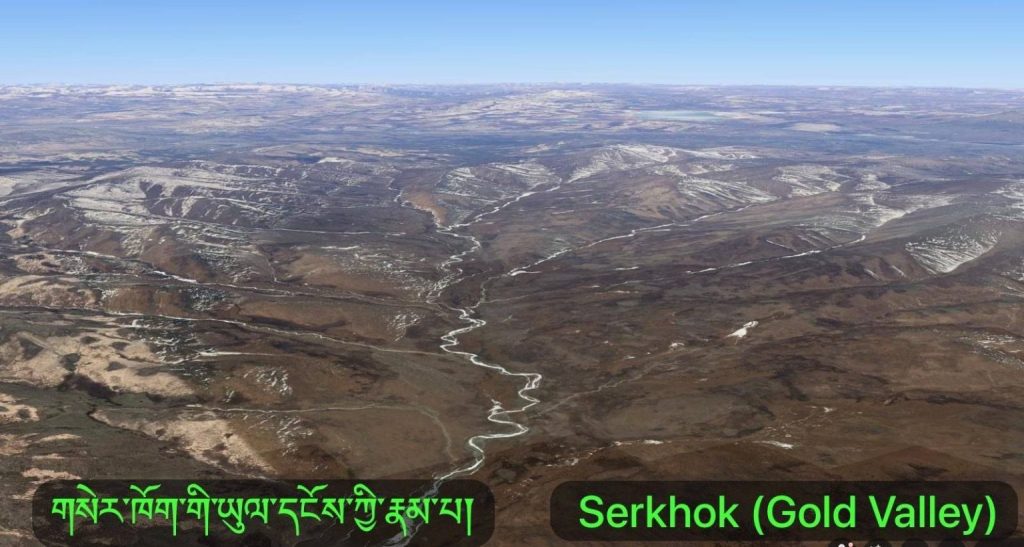
Chinese authorities have arbitrarily detained more than 80 Tibetans from Kashi township, Sershul (Ch: Shiqu) County, Kardze (Ch: Ganzi) Tibetan Autonomous Prefecture, eastern Tibet, in retaliation for their peaceful efforts to oppose illegal gold mining on ancestral land locally known as Sekhok (“Gold Valley”).
On 5 November 2025, local residents discovered illegal gold mining activities at Sekhok and promptly reported the violations to township authorities. Rather than investigating the allegations or suspending the unlawful operations, local officials dismissed the complaints, asserting exclusive state ownership over land and denying Tibetans any right to object or seek redress.
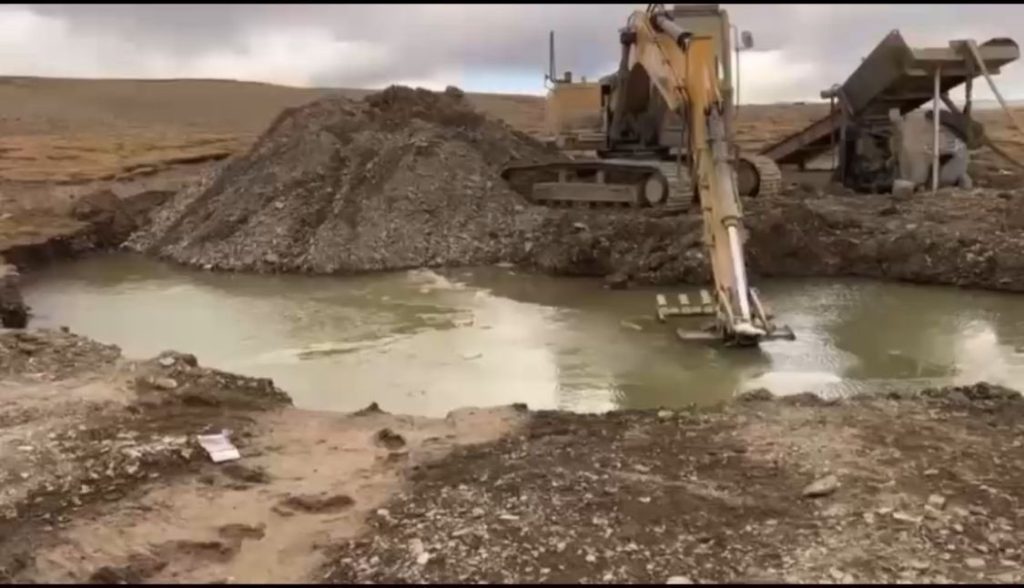
Mining excavator being used at the gold mining site in Kashi
On 6 November 2025, at approximately 6:50 p.m., Chinese security forces carried out coordinated door-to-door raids across Kashi township, arbitrarily detaining approximately 80 Tibetan residents without warrants or due process. The detainees were subsequently transferred to Sershul County for interrogation. Sources informed the Tibetan Centre for Human Rights and Democracy (TCHRD) that detainees were subjected to physical abuse amounting to torture and other cruel, inhuman, or degrading treatment. Reported abuses included severe beatings that resulted in broken ribs, kidney injuries, and extensive bruising.
During detention, many detainees were denied adequate food, sleep, and sanitation. Although some individuals were taken to a county hospital for medical treatment, authorities refused to disclose medical diagnoses or findings to the detainees or their families. Food provisions were limited to minimal portions of tsampa (roasted barley flour) and water once per day. Detainees were also coerced into signing written pledges prohibiting them from communicating with outsiders or participating in any future protests.
As of 22 December 2025, seven Tibetans remain in detention and their conditions remain unknown. Those released were compelled to sign written guarantees of silence and, in some cases, forced to provide false witness statements alleging that Tibetans had assaulted Chinese officials without provocation.
Following the mass detentions, authorities imposed a township-wide lockdown and communications blackout. The measures were jointly enforced by the United Front Work Department, the Public Security Bureau, armed police units, and township officials. Residents were required to attend mandatory political meetings during which officials warned that any dissemination of information would constitute a criminal offense.
Security forces conducted repeated household raids, confiscated mobile phones, and deployed armed personnel throughout public spaces, creating an atmosphere of intimidation and fear.
Similar patterns of environmental destruction and official collusion have been documented elsewhere on the Tibetan Plateau. In 2022, illegal mining operations in Sernye (Ch: Seni) District, Nagchu (Ch: Naqu), reportedly carried out with the involvement of local authorities, caused severe damage to grasslands, waterways, and wildlife habitats. Mining activities exceeded approved limits and were suspended only after sustained pressure from local communities.
In the aftermath of the Kashi township detentions, Tibetans continue to face pervasive restrictions on the exercise of their religious and cultural rights. Sources told TCHRD that authorities imposed bans on public prayer gatherings and religious circumambulation, tightly restricted monastic assemblies, prohibited gatherings of more than ten people, and prevented students from attending Tibetan cultural and religious classes during school holidays.
Given the extreme ecological fragility of the Tibetan Plateau, the actions of local Tibetans in Kashi to report and oppose illegal mining constitute lawful and responsible environmental advocacy. The violent state response characterized by arbitrary detention, torture, forced confessions, surveillance, and collective punishment demonstrates a systematic policy of suppressing peaceful dissent and criminalizing Tibetan environmental and human rights defenders.
The Tibetan Centre for Human Rights and Democracy (TCHRD) calls on Chinese authorities to comply with their obligations under international human rights law, including the Convention against Torture and Other Cruel, Inhuman or Degrading Treatment or Punishment, by immediately releasing all remaining detainees, ceasing intimidation and surveillance of Tibetans in Kashi township, ensuring accountability for abuses committed by security forces, and halting illegal mining activities at Sekhok.